
- עמוד הבית של הפקולטה
- אודות
- בתי ספר, חוגים ותוכניות לימוד
- היחידה ללימודי המשך
- המרכז הקליני הבין-תחומי

מסלול א' – מסלול עם כתיבת עבודת גמר מחקרית תזה
במסלול זה יורשו הסטודנטים להגיש את התזה לשיפוט רק לאחר שסיימו את כל חובות השמיעה והגישו את כל עבודותיהם לתואר. על הסטודנטים ללמוד קורסים בהיקף של 24 שש"ס, לכתוב עבודה סמינריונית אחת ולהגיש עבודת גמר מחקרית (תזה) שהיקפה הינו 12 שש"ס , סה"כ 36 שש"ס יושלמו במסלול זה ומשך הלימודים במסלול לא יעלה על שלוש שנים.
על סטודנט במסלול א' לחתום על הסכמה עקרונית להנחיה, עם מנחה, עד תום סמסטר ב' שנה א'.
תוכנית הלימודים במסלול עם תזה 285201-26-01
| שם קורס | סמס' | שעות | מס' קורס |
| פסיכופתולוגיה | א' | 2 שש"ס | 285.4103א01 |
| מיומנויות בנית קשר ותקשורת א' | שנתי' | 4 שש"ס | |
| 285.4109א01 | |||
| 285.4110א01 | |||
| מיומנויות בשדה | שנתי | 4 שש"ס | 285.4300א01 285.4841ב01 |
| קורס הכנה לתזה | ב' | 2 שש"ס | 285.4205ב01 |
2 קורסי מחקר = 4 שש"ס
| שם קורס | סמס' | שעות | מס' קורס |
| שיטות מחקר | ב' | 2 שש"ס | 285.4202ב01 |
לסיכום מסלול עם תזה:
4 קורסי חובה = 6-8 שש"ס (תלוי האם הסטודנט לומד 2 סמסטרים את קורס המיומנויות או סמסטר אחד וכן תלוי האם הסטודנט מקבל פטור)
2 קורסי מחקר = 4 שש"ס
סמינריון 1 = 4 שש"ס
קורס הכנה לתזה = 2 שש"ס
קורסי בחירה – 6 שש"ס (במידה ויינתנו פטורים על הסטודנט להשלים את הנקודות בקורסי בחירה נוספים)
סה"כ 24 שש"ס + 12 שש"ס עבודת גמר (תזה)
מסלול ב' – מסלול ללא תזה
תוכנית הלימודים במסלול ללא תזה 285202-26-02
סמס' | שעות | מס' קורס | שם קורס |
א' | 2 שש"ס | 285.4103א01 | פסיכופתולוגיה |
א' | 2 שש"ס | 285.4109א01 285.4109א02 | מיומנויות בנית קשר ותקשורת א' |
א | 2 שש"ס | 285.4300א01 | מיומנויות ראיון והתערבות |
ב' | 2 שש"ס | 285.4110ב01 285.4110ב02 | מיומנויות בנית קשר ותקשורת ב |
2 קורסי מחקר = 4 שש"ס
סמס' | שעות | מס' קורס | שם קורס |
א' | 2 שש"ס | קורס מחקרי נוסף יקבע בסמוך לפתיחת שנת הלימודים | |
ב' | 2 שש"ס | 285.4202ב01 | שיטות מחקר |
לסיכום מסלול ב' ללא תזה:
4 קורסי חובה = 6-8 שש"ס (תלוי האם הסטודנט לומד 2 סמסטרים את קורס המיומנויות או סמסטר אחד וכן תלוי האם הסטודנט מקבל פטור)
2 קורסי מחקר = 4 שש"ס
2 סמינרים = 8 שש"ס
9 קורסי בחירה – 18 שש"ס (במידה ויינתנו פטורים על הסטודנט להשלים את הנקודות בקורסי בחירה נוספים)
סה"כ 36 שש"ס
מסלול מחקר מקדים תשפ"ז 285350-26-01
מועמדים פוטנציאלים ייחשבו ככאלו הזכאים לקבל הנחייה לעבודת התזה על ידי חברי סגל החוג לבריאות נפש קהילתית רק אם יתקיימו התנאים המקדימים הבאים:
בעלי תואר "מוסמך", ממוסד מוכר להשכלה גבוהה בארץ או בחו"ל מתחומי רווחה, בריאות וחינוך, כגון: עבודה סוציאלית, ריפוי בעיסוק, סיעוד, חינוך, פסיכולוגיה, מדעי ההתנהגות, שירותי אנוש, הפרעות בתקשורת, פיזיותרפיה, רפואה.
מועמד בעל תואר שני מתחום אחר יובא לדיון חריג בפני הוועדה החוגית ללימודי מחקר מקדים ודוקטורט
מועמדים מתחת לציון 92 בלימודי המ"א יועברו לדיון לקבלה חריגה בוועדה החוגית.
במידה ודרישות אלו מתקיימות, יכולים המועמדים לפנות למנחה פוטנציאלי/ת בחוג לבריאות נפש קהילתית. הפנייה למנחה פוטנציאלי/ת תיעשה באמצעות הדואר האלקטרוני (בלשונית רשימת מנחים לעבודת תזה) בצירוף המסמכים הבאים:
מועמדים אשר יופנו להמשך ההרשמה, יעבירו את הנתונים הבאים:
לאחר קבלת כל המסמכים, הקבלה למסלול מחקר מקדים תהיה תלויה בנוסף :
תכנית הלימודים תקבע באופן אינדיבידואלי לכל המועמדים שמתקבלים על פי לימודיהם הקודמים.
* הצהרת כוונות (5-6 עמודים) תכלול:
****בנוסף לחמשת העמודים, רשימת מקורות בת 15-25 פריטים, כתובה בסגנון ה APA.
מנחים לעבודת התזה
ד"ר אסאלה חלאג'
מרצה בכירה
טלפון 04-8282816 / פנימי52816
בניין הפקולטה למדעי הרווחה והבריאות, קומה 5, חדר 521.
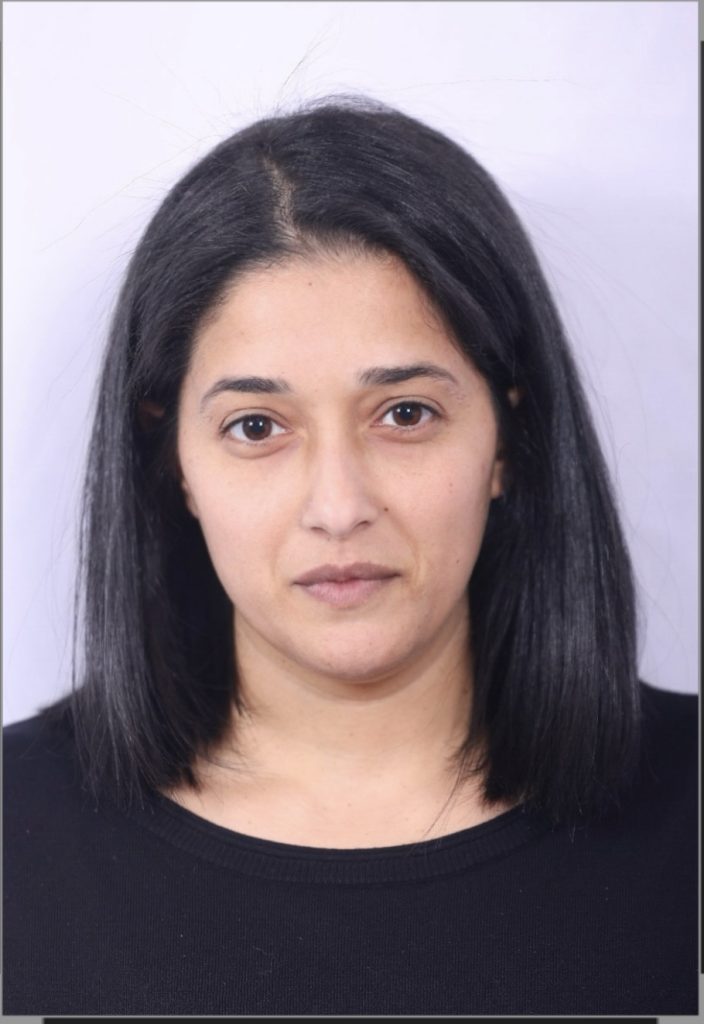
Dr. Halaj is a senior lecturer in the Department of Community Mental Health at the University of Haifa. She earned her M.A. from Teachers College, Columbia University, and her Ph.D. In clinical psychology from the Hebrew University of Jerusalem, where she focused on insight in anxiety disorders. She completed a postdoctoral fellowship at University College London, examining insight and its relationship to metacognition in nonpsychotic disorders.
Her research explores how individuals with nonpsychotic disorders perceive and interpret their experiences, and how these processes are influenced by metacognitive abilities. Her work advances the understanding of insight beyond psychosis, both theoretically and clinically, and highlights its relevance to research and practice.
Dr. Halaj is also interested in promoting mental health in underserved communities and in culturally adapting mental health interventions for the Arab community.
פרופ' דוד רועה
פרופסור מן המניין
טלפון04-8288724, 054-3933093 / פנימי58724
הפקולטה למדעי הרווחה והבריאות, קומה 5, חדר 524.
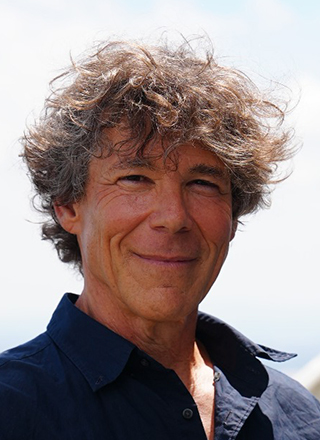
David Roe, Ph.D. is a licensed clinical psychologist, Professor at the Department of Community Mental Health, University of Haifa, Israel and affiliated Professor at Aalborg University, Denmark. After receiving a Bachelor of Arts degree (Magna Cum Laude) in psychology from Brown University he went on to Columbia University where he received his Masters of Philosophy, Masters of Science and Ph.D. in Clinical Psychology.
His research focuses on the psychosocial processes of recovery from serious mental illness, stigma, Patient Reported Outcome Measures (PROMs) and the evaluation of interventions and services. His research has been funded by several local and international sources, including NIMH, Israeli Science foundation, The Israeli Ministry of Health, The Israel National Institute for Health Services Research and Health Policy, the Israeli National Insurance Institution and the Tauber and Rich foundations. Dr. Roe has published extensively and serves as associate editor for the Psychiatric Rehabilitation Journal, Journal of Mental Health, BMC psychiatry and Israel Journal of Psychiatry and is on the editorial board of Psychiatry Research, Journal of Clinical Psychology, Psychiatry Research Communications, Stigma and Health, Journal of Clinical Psychology, Psychosis, American Journal of Psychiatric Rehabilitation and Social Welfare (Hebrew).
פרופ' דנה צור ביתן
פרופסור חבר
ראש החוג לבריאות נפש קהילתית
בניין הפקולטה למדעי הרווחה והבריאות, קומה 5, חדר 523.

Dana Tzur Bitan (PhD) received her doctoral degree from the Department of Psychology at Ben Gurion University of the Negev, Israel. She is Associate Professor in the Department of Community Mental Health, Faculty of Social Welfare and Health Sciences in the University of Haifa, and also serves as a clinical psychologist at the Psychiatric Emergency Unit of Shalvata Mental Health Center.
Prof. Tzur Bitan's research projects are focused on routes to facilitate clinical outcomes for people with severe mental illness (SMI), and specifically in the public mental health domain. Within this research framework, her studies are oriented to the exploration of physical and psychological health disparities between people with SMI and the general population; the examination of biological, neurobiological, and psychological determinants of psychotherapeutic outcomes; and risk and resilience in face of global and environmental challenges. In recent years she has been leading the Psychotherapy and Psychiatry Research Lab (https://www.psyresearchlab.com/) in Shalvata Mental Health Center, where she manages and oversees local and international projects led by her students and research assistants.
פרופ' כרמית נעה שפיגלמן
פרופסור חבר
יו"ר ועדת MA
טלפון04-8249418
בניין הפקולטה למדעי הרווחה והבריאות, קומה 5, חדר 527.
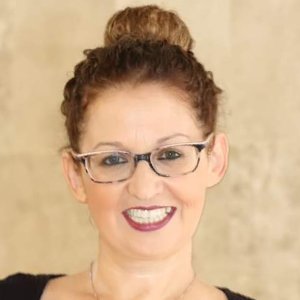
Dr. Carmit-Noa Shpigelman is a senior lecturer in the Department of Community Mental Health at the University of Haifa. She completed her B.A. and M.A. in education (Cum Laude) and her Ph.D. in special education and occupational therapy, both degrees at the University of Haifa. She completed her postdoctoral studies in the Department of Disability and Human Development at the University of Illinois at Chicago, USA.
Dr. Shpigleman specializes in disability studies, mental health, and social technologies. Her research focuses on the social and emotional aspects of living with a lifelong disability, including community participation, quality of life, and well-being of adults and older adults with intellectual and developmental disabilities (IDD) and psychiatric disabilities. She focuses on various life domains such as employment, higher education, and family, especially parents with disabilities. Her research projects promote the United Nations Sustainable Development Goals (https://sdgs.un.org/goals ; SDGs-3-5, 10, 14, 16). Dr. Shpigelman has been awarded national and international grant funds and has extensively published articles and book chapters.
As a woman, a single mom by choice, and a researcher with a physical disability, Dr. Shpigelman serves also as a community activist –She is a voluntarily members of Access Israel and accessible community group in the city of Kiryat-Bialik. She takes part of a group of advocates who promote awareness of the rights of people with disabilities through lectures on behalf of the Israeli Community Centers Association. Dr. Shpigelman is also a member of a local musical ensemble of singers with and without a disability; a group aimed to promote social connections and attitude change toward people with disabilities by inclusion in recreational activities.
פרסומים של פרופ' כרמית נעה שפיגלמן
פרופ' מרק גלקופף
פרופסור מן המניין
טלפון:04-8288754
בניין הפקולטה למדעי הרווחה והבריאות, קומה 5, חדר 520
פרופ' עמית באומל
פרופסור חבר
טלפון 04-8288033
משרד: בניין מדעי הרווחה והבריאות, קומה 5, חדר 521
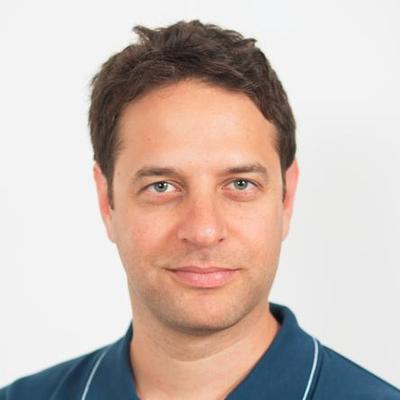
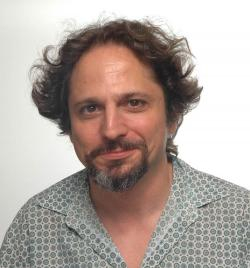
Prof. Baumel joined the Department of Community Mental Health at the University of Haifa as a senior lecturer in October 2017. He completed his M.A. in Clinical Child Psychology and Ph.D. at Bar-Ilan University. He is a licensed clinical psychologist, and completed his clinical internship at Ramat Chen Mental Health Center where he treated children, parents, and adults. Amit completed his post-doctoral training at Psychiatry Research within The Feinstein Institute for Medical Research under the supervision of Dr. John M. Kane, and then became a faculty member in Zucker School of Medicine at Northwell-Hofstra, NY.
Amit has more than 20 years of experience in design, research and development of user centered technological products, especially within the mental health domain. Besides clinical and research record Amit has hands on experience in the Hitech industry, in product/user experience design and big data analysis.
ד"ר שירה ברזילי
מרצה בכירה
בניין הפקולטה למדעי הרווחה והבריאות, קומה 5, חדר 529.
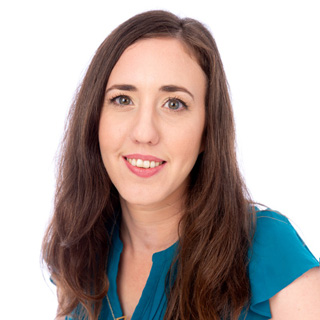
Dr. Shira Barzilay is a senior lecturer at the Department of Community Mental Health, the director of the Suicide Research Laboratory in the Faculty of Social Welfare and Health Sciences in the University of Haifa, and the director of research at the depression and self-harm clinic in Schneider’s Children Medical Center of Israel.
Dr. Barzilay received her B. A in psychology at the Hebrew University of Jerusalem as a rector’s and Albert Einstein’s award grantee and received M.A. and Ph.D. in clinical psychology from Bar-Ilan University as the chancellor’s award grantee. She completed clinical psychology training at the Sheba Medical Center in Israel, working at the child and adolescent division. Her postdoctoral fellowship at the Icahn School of Medicine at Mount Sinai, New York, focused on imminent suicide risk among adults and the therapeutic relationship between suicidal patients and therapists. She also engaged in clinical work, including Alliance-Focused training and family interventions for adults with mood disorders.
מנחים המאושרים להנחיה בשיתוף מרצה נוסף:
ד"ר אנואר ח'טיב
מרצה בכיר
בניין הפקולטה למדעי הרווחה והבריאות, קומה 5, חדר 528
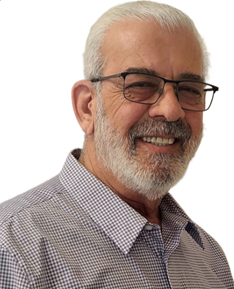
פרופ' ערד קודש
פרופסור מן המניין(נלווה) מומחה
בניין הפקולטה למדעי הרווחה והבריאות, קומה 5, חדר 528.

חתימות לתצפיות במסגרת קורס "מיומנויות בניית קשר ותקשורת"
טופס הצהרה על הכנה עצמית של עבודה סמינריונית בקורס
נהלים אודות בחינות ציונים וערעורים
חובות וזכויות במסלול תזה (כולל הנחיות להגשת הצעת תזה)
נוהלי כתיבה לעבודות תזה עפ"י הרשות ללימודים מתקדמים – תואר שני
מדריך לאזכור, ציטוט ולכתיבת מקורות בעבודה אקדמית על פי APA.
בחוג לבריאות נפש קהילתית ניתן ללמוד לתואר דוקטור לפילוסופיה במסגרת תוכנית הדוקטורט החוגית. יעדיו של תואר הדוקטורט הם חקר הקהילה ופיתוחה באמצעות חדשנות ומצוינות מחקרית בתחומים הרלוונטיים לבריאות נפש קהילתית. יעדים אלו מבטאים את אמונתנו בדבר חשיבותה של השתייכות לקהילת חוקרים הכוללת סטודנטים, מרצים ומנחים שכל אחד מהם יוצר השראה עבור זולתו. קהילה זו, אשר נמצאת בקשר הדוק עם המציאות והשינויים בשדה המחקרי ואף משפיעה עליהם, מסוגלת לפרוץ דרך לידע חדש וליצירתיות כדי להרחיב ולהעמיק את הבנת הסוגיות בבריאות הנפש. עבור אלו בעלי היכולת וההתמדה המשתוקקים להרחיב השכלתם בתחום, אנו מציעים את מסלול הדוקטורט.
מבנה תכנית הלימודים לדוקטורט (285301-25-01)
מנחים לעבודת הדוקטורט
ד"ר אסאלה חלאג'
מרצה בכירה
טלפון 04-8282816 / פנימי52816
בניין הפקולטה למדעי הרווחה והבריאות, קומה 5, חדר 521.
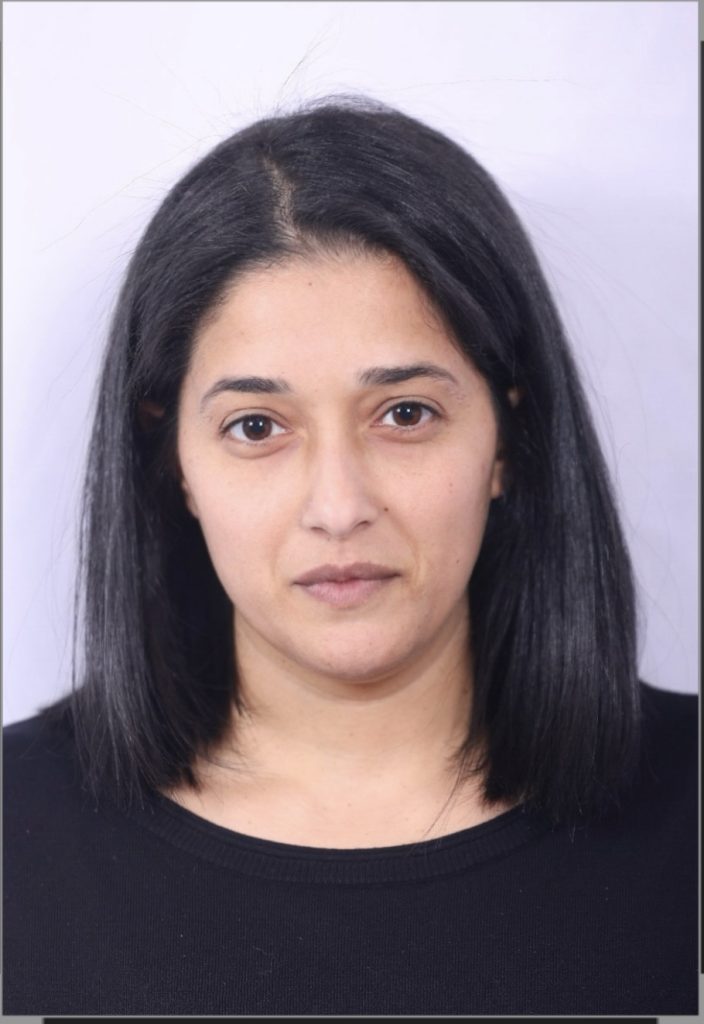
Dr. Halaj is a senior lecturer in the Department of Community Mental Health at the University of Haifa. She earned her M.A. from Teachers College, Columbia University, and her Ph.D. In clinical psychology from the Hebrew University of Jerusalem, where she focused on insight in anxiety disorders. She completed a postdoctoral fellowship at University College London, examining insight and its relationship to metacognition in nonpsychotic disorders.
Her research explores how individuals with nonpsychotic disorders perceive and interpret their experiences, and how these processes are influenced by metacognitive abilities. Her work advances the understanding of insight beyond psychosis, both theoretically and clinically, and highlights its relevance to research and practice.
Dr. Halaj is also interested in promoting mental health in underserved communities and in culturally adapting mental health interventions for the Arab community.
פרופ' דוד רועה
פרופסור מן המניין
טלפון04-8288724, 054-3933093 / פנימי58724
הפקולטה למדעי הרווחה והבריאות, קומה 5, חדר 524.
David Roe, Ph.D. is a licensed clinical psychologist, Professor at the Department of Community Mental Health, University of Haifa, Israel and affiliated Professor at Aalborg University, Denmark. After receiving a Bachelor of Arts degree (Magna Cum Laude) in psychology from Brown University he went on to Columbia University where he received his Masters of Philosophy, Masters of Science and Ph.D. in Clinical Psychology.
His research focuses on the psychosocial processes of recovery from serious mental illness, stigma, Patient Reported Outcome Measures (PROMs) and the evaluation of interventions and services. His research has been funded by several local and international sources, including NIMH, Israeli Science foundation, The Israeli Ministry of Health, The Israel National Institute for Health Services Research and Health Policy, the Israeli National Insurance Institution and the Tauber and Rich foundations. Dr. Roe has published extensively and serves as associate editor for the Psychiatric Rehabilitation Journal, Journal of Mental Health, BMC psychiatry and Israel Journal of Psychiatry and is on the editorial board of Psychiatry Research, Journal of Clinical Psychology, Psychiatry Research Communications, Stigma and Health, Journal of Clinical Psychology, Psychosis, American Journal of Psychiatric Rehabilitation and Social Welfare (Hebrew).
פרופ' דנה צור ביתן
פרופסור חבר
ראש החוג לבריאות נפש קהילתית
בניין הפקולטה למדעי הרווחה והבריאות, קומה 5, חדר 523.
Dana Tzur Bitan (PhD) received her doctoral degree from the Department of Psychology at Ben Gurion University of the Negev, Israel. She is Associate Professor in the Department of Community Mental Health, Faculty of Social Welfare and Health Sciences in the University of Haifa, and also serves as a clinical psychologist at the Psychiatric Emergency Unit of Shalvata Mental Health Center.
Prof. Tzur Bitan's research projects are focused on routes to facilitate clinical outcomes for people with severe mental illness (SMI), and specifically in the public mental health domain. Within this research framework, her studies are oriented to the exploration of physical and psychological health disparities between people with SMI and the general population; the examination of biological, neurobiological, and psychological determinants of psychotherapeutic outcomes; and risk and resilience in face of global and environmental challenges. In recent years she has been leading the Psychotherapy and Psychiatry Research Lab (https://www.psyresearchlab.com/) in Shalvata Mental Health Center, where she manages and oversees local and international projects led by her students and research assistants.
ד"ר כרמית נעה שפיגלמן
מרצה בכירה
טלפון04-8249418
בניין הפקולטה למדעי הרווחה והבריאות, קומה 5, חדר 527.
Dr. Carmit-Noa Shpigelman is a senior lecturer in the Department of Community Mental Health at the University of Haifa. She completed her B.A. and M.A. in education (Cum Laude) and her Ph.D. in special education and occupational therapy, both degrees at the University of Haifa. She completed her postdoctoral studies in the Department of Disability and Human Development at the University of Illinois at Chicago, USA.
Dr. Shpigleman specializes in disability studies, mental health, and social technologies. Her research focuses on the social and emotional aspects of living with a lifelong disability, including community participation, quality of life, and well-being of adults and older adults with intellectual and developmental disabilities (IDD) and psychiatric disabilities. She focuses on various life domains such as employment, higher education, and family, especially parents with disabilities. Her research projects promote the United Nations Sustainable Development Goals (https://sdgs.un.org/goals ; SDGs-3-5, 10, 14, 16). Dr. Shpigelman has been awarded national and international grant funds and has extensively published articles and book chapters.
As a woman, a single mom by choice, and a researcher with a physical disability, Dr. Shpigelman serves also as a community activist –She is a voluntarily members of Access Israel and accessible community group in the city of Kiryat-Bialik. She takes part of a group of advocates who promote awareness of the rights of people with disabilities through lectures on behalf of the Israeli Community Centers Association. Dr. Shpigelman is also a member of a local musical ensemble of singers with and without a disability; a group aimed to promote social connections and attitude change toward people with disabilities by inclusion in recreational activities.
פרסומים של ד"ר כרמית נעה שפיגלמן
פרופ' מרק גלקופף
פרופסור מן המניין
טלפון:04-8288754
בניין הפקולטה למדעי הרווחה והבריאות, קומה 5, חדר 520
פרופ' עמית באומל
פרופסור חבר
טלפון 04-8288033
משרד: בניין מדעי הרווחה והבריאות, קומה 5, חדר 521
Prof. Baumel joined the Department of Community Mental Health at the University of Haifa as a senior lecturer in October 2017. He completed his M.A. in Clinical Child Psychology and Ph.D. at Bar-Ilan University. He is a licensed clinical psychologist, and completed his clinical internship at Ramat Chen Mental Health Center where he treated children, parents, and adults. Amit completed his post-doctoral training at Psychiatry Research within The Feinstein Institute for Medical Research under the supervision of Dr. John M. Kane, and then became a faculty member in Zucker School of Medicine at Northwell-Hofstra, NY.
Amit has more than 20 years of experience in design, research and development of user centered technological products, especially within the mental health domain. Besides clinical and research record Amit has hands on experience in the Hitech industry, in product/user experience design and big data analysis.
ד"ר שירה ברזילי
מרצה בכירה
בניין הפקולטה למדעי הרווחה והבריאות, קומה 5, חדר 529.
Dr. Shira Barzilay is a senior lecturer at the Department of Community Mental Health, the director of the Suicide Research Laboratory in the Faculty of Social Welfare and Health Sciences in the University of Haifa, and the director of research at the depression and self-harm clinic in Schneider’s Children Medical Center of Israel.
Dr. Barzilay received her B. A in psychology at the Hebrew University of Jerusalem as a rector’s and Albert Einstein’s award grantee and received M.A. and Ph.D. in clinical psychology from Bar-Ilan University as the chancellor’s award grantee. She completed clinical psychology training at the Sheba Medical Center in Israel, working at the child and adolescent division. Her postdoctoral fellowship at the Icahn School of Medicine at Mount Sinai, New York, focused on imminent suicide risk among adults and the therapeutic relationship between suicidal patients and therapists. She also engaged in clinical work, including Alliance-Focused training and family interventions for adults with mood disorders.
מנחים המאושרים להנחיה בשיתוף מרצה נוסף:
ד"ר אנואר ח'טיב
מרצה בכיר
בניין הפקולטה למדעי הרווחה והבריאות, קומה 5, חדר 528
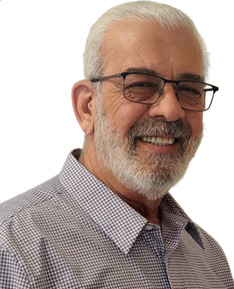
פרופ' ערד קודש
פרופסור מן המניין(נלווה) מומחה
בניין הפקולטה למדעי הרווחה והבריאות, קומה 5, חדר 528.
Doctoral Program Curriculum (285301-26-01)
Doctoral Supervisors
Dr. Asala Halaj
Senior Lecturer
0972-4-8282816:Phone
Faculty of Welfare and Health Sciences Building 5th floor, room 521
Dr. Halaj is a senior lecturer in the Department of Community Mental Health at the University of Haifa. She earned her M.A. from Teachers College, Columbia University, and her Ph.D. In clinical psychology from the Hebrew University of Jerusalem, where she focused on insight in anxiety disorders. She completed a postdoctoral fellowship at University College London, examining insight and its relationship to metacognition in nonpsychotic disorders.
Her research explores how individuals with nonpsychotic disorders perceive and interpret their experiences, and how these processes are influenced by metacognitive abilities. Her work advances the understanding of insight beyond psychosis, both theoretically and clinically, and highlights its relevance to research and practice.
Dr. Halaj is also interested in promoting mental health in underserved communities and in culturally adapting mental health interventions for the Arab community.
Publications by Dr. Asala Halaj
Prof. David Roe
Full Professor
0972-4-8288724, 0972-54-3933093 :Phone
Faculty of Welfare and Health Sciences Building 5th floor, room 524
David Roe, Ph.D. is a licensed clinical psychologist, Professor at the Department of Community Mental Health, University of Haifa, Israel and affiliated Professor at Aalborg University, Denmark. After receiving a Bachelor of Arts degree (Magna Cum Laude) in psychology from Brown University he went on to Columbia University where he received his Masters of Philosophy, Masters of Science and Ph.D. in Clinical Psychology.
His research focuses on the psychosocial processes of recovery from serious mental illness, stigma, Patient Reported Outcome Measures (PROMs) and the evaluation of interventions and services. His research has been funded by several local and international sources, including NIMH, Israeli Science foundation, The Israeli Ministry of Health, The Israel National Institute for Health Services Research and Health Policy, the Israeli National Insurance Institution and the Tauber and Rich foundations. Dr. Roe has published extensively and serves as associate editor for the Psychiatric Rehabilitation Journal, Journal of Mental Health, BMC psychiatry and Israel Journal of Psychiatry and is on the editorial board of Psychiatry Research, Journal of Clinical Psychology, Psychiatry Research Communications, Stigma and Health, Journal of Clinical Psychology, Psychosis, American Journal of Psychiatric Rehabilitation and Social Welfare (Hebrew).
Publications by Prof. David Roe
Prof. Dana Tzur Bitan
,Associate Professor
Head of the Department of Community Mental Health
Faculty of Welfare and Health Sciences Building 5th floor, room 523
Dana Tzur Bitan (PhD) received her doctoral degree from the Department of Psychology at Ben Gurion University of the Negev, Israel. She is Associate Professor in the Department of Community Mental Health, Faculty of Social Welfare and Health Sciences in the University of Haifa, and also serves as a clinical psychologist at the Psychiatric Emergency Unit of Shalvata Mental Health Center.
Prof. Tzur Bitan's research projects are focused on routes to facilitate clinical outcomes for people with severe mental illness (SMI), and specifically in the public mental health domain. Within this research framework, her studies are oriented to the exploration of physical and psychological health disparities between people with SMI and the general population; the examination of biological, neurobiological, and psychological determinants of psychotherapeutic outcomes; and risk and resilience in face of global and environmental challenges. In recent years she has been leading the Psychotherapy and Psychiatry Research Lab (https://www.psyresearchlab.com/) in Shalvata Mental Health Center, where she manages and oversees local and international projects led by her students and research assistants.
Publications by Prof. Dana Tzur Bitan
Dr. Carmit-Noa Shpigelman
Senior Lecturer
0972-4-8288754 :Phone
Faculty of Welfare and Health Sciences Building 5th floor, room 527
Dr. Carmit-Noa Shpigelman is a senior lecturer in the Department of Community Mental Health at the University of Haifa. She completed her B.A. and M.A. in education (Cum Laude) and her Ph.D. in special education and occupational therapy, both degrees at the University of Haifa. She completed her postdoctoral studies in the Department of Disability and Human Development at the University of Illinois at Chicago, USA.
Dr. Shpigleman specializes in disability studies, mental health, and social technologies. Her research focuses on the social and emotional aspects of living with a lifelong disability, including community participation, quality of life, and well-being of adults and older adults with intellectual and developmental disabilities (IDD) and psychiatric disabilities. She focuses on various life domains such as employment, higher education, and family, especially parents with disabilities. Her research projects promote the United Nations Sustainable Development Goals (https://sdgs.un.org/goals ; SDGs-3-5, 10, 14, 16). Dr. Shpigelman has been awarded national and international grant funds and has extensively published articles and book chapters.
As a woman, a single mom by choice, and a researcher with a physical disability, Dr. Shpigelman serves also as a community activist –She is a voluntarily members of Access Israel and accessible community group in the city of Kiryat-Bialik. She takes part of a group of advocates who promote awareness of the rights of people with disabilities through lectures on behalf of the Israeli Community Centers Association. Dr. Shpigelman is also a member of a local musical ensemble of singers with and without a disability; a group aimed to promote social connections and attitude change toward people with disabilities by inclusion in recreational activities.
Publications by Dr. Carmit-Noa Shpigelman
Full Professor
0972-4-8288754 :Phone
Faculty of Welfare and Health Sciences Building 5th floor, room 520
Prof. Amit Baumel
Associate Professor
Phone: 0972-4-8288033
Faculty of Welfare and Health Sciences Building 5th floor, room 521
Prof. Baumel joined the Department of Community Mental Health at the University of Haifa as a senior lecturer in October 2017. He completed his M.A. in Clinical Child Psychology and Ph.D. at Bar-Ilan University. He is a licensed clinical psychologist, and completed his clinical internship at Ramat Chen Mental Health Center where he treated children, parents, and adults. Amit completed his post-doctoral training at Psychiatry Research within The Feinstein Institute for Medical Research under the supervision of Dr. John M. Kane, and then became a faculty member in Zucker School of Medicine at Northwell-Hofstra, NY.
Amit has more than 20 years of experience in design, research and development of user centered technological products, especially within the mental health domain. Besides clinical and research record Amit has hands on experience in the Hitech industry, in product/user experience design and big data analysis.
Dr. Shira Barzilai
Senior Lecturer
Faculty of Welfare and Health Sciences Building 5th floor, room 529
Dr. Shira Barzilay is a senior lecturer at the Department of Community Mental Health, the director of the Suicide Research Laboratory in the Faculty of Social Welfare and Health Sciences in the University of Haifa, and the director of research at the depression and self-harm clinic in Schneider’s Children Medical Center of Israel.
Dr. Barzilay received her B. A in psychology at the Hebrew University of Jerusalem as a rector’s and Albert Einstein’s award grantee and received M.A. and Ph.D. in clinical psychology from Bar-Ilan University as the chancellor’s award grantee. She completed clinical psychology training at the Sheba Medical Center in Israel, working at the child and adolescent division. Her postdoctoral fellowship at the Icahn School of Medicine at Mount Sinai, New York, focused on imminent suicide risk among adults and the therapeutic relationship between suicidal patients and therapists. She also engaged in clinical work, including Alliance-Focused training and family interventions for adults with mood disorders.
Publications by Dr. Shira Barzilai
: Advisors approved for co-supervision with additional lecturer
Senior Lecturer
Faculty of Welfare and Health Sciences Building
Publications by Dr. Anwar Khatib
Full Professor
Faculty of Welfare and Health Sciences Building
Publications by Professor Arad Kodesh
