- עמוד הבית של הפקולטה
- אודות
- בתי ספר, חוגים ותוכניות לימוד
- היחידה ללימודי המשך
- המרכז הקליני הבין-תחומי

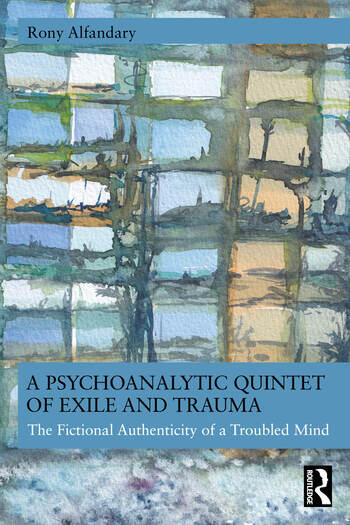
ספר עיון חדש בהוצאת Routledge (ניתן לרכישה גם דרך Amazon), העוסק בחקר טראומה בין־דורית, עקירה וכוחה המרפא של היצירה. הספר משלב נרטיבים קליניים, אלמנטים ביוגרפיים ועדות היסטורית דרך סיפורו של אדם, המתמודד עם טראומה ממלחמת לבנון הראשונה ועם מורשת השואה המשפחתית.
A Psychoanalytic Quintet of Exile and Trauma is an exploration of trauma, exile, and the transformative power of storytelling through the lens of psychoanalytic theory.
Structured as a triptych, the book follows Adam, a man navigating the emotional landscapes of displacement and inherited grief. Drawing on concepts such as Nicolas Abraham and Maria Torok’s "crypt" theory, Melanie Klein’s "depressive position", and Donald Winnicott’s "potential space", the narrative intertwines clinical theory with "fictional authenticity". Adam’s journey unfolds through fragmented memories, journal entries, and moments of psychological collapse, ultimately revealing how trauma can be symbolized rather than erased. The act of writing becomes a therapeutic gesture, transforming ancestral silence into a coherent narrative of self-repair and resilience.
This book is an essential resource for psychoanalysts, psychotherapists, and scholars in trauma studies and the humanities, offering a nuanced perspective on transgenerational trauma and the unconscious. It will also resonate with social scientists, narrative researchers, and students of clinical literature seeking to explore the intersection of storytelling and therapeutic practice. With its international appeal, the work bridges academic discourse and creative testimony, making it a valuable addition to university courses and professional libraries alike.
With reference to clinical case material and theoretical insight, Alfandary offers readers unprecedented access to therapeutic work conducted in Israel amid ongoing cultural tensions, military conflicts, and intergenerational trauma. Drawing from Winnicott, Bion, Klein, and Freud, the author explores how exile, trauma, and war fracture both individual identity and the social fabric, and how these ruptures can also spark unexpected creativity and growth. The book also covers a range of themes, including immigration, cross-cultural work, Holocaust memory, military trauma, and antisemitism, revealing how psychoanalytic practice adapts and responds to Israel's distinctive social pressures while offering universal insights into human resilience, trauma recovery, and the therapeutic relationship.
Creativity and Psychoanalytic Psychotherapy at Times of War, Exile, and Trauma will be of great interest to psychoanalytic psychotherapists, social workers, and psychologists. It will also be relevant for academics and scholars of trauma studies, literary studies, and interdisciplinary researchers.